Why do some cities grow economically while others decline? Why do some show sustained economic performance while others cycle up and down?
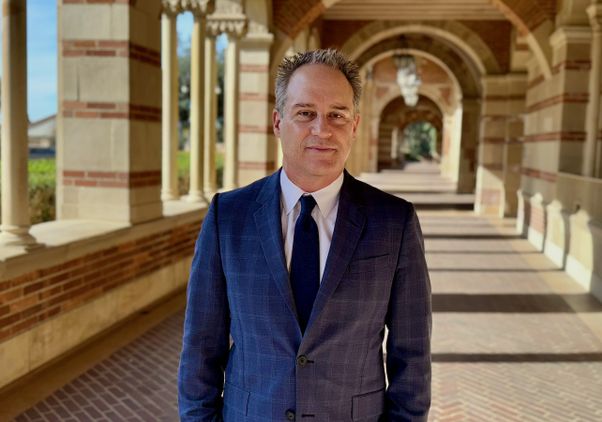
Those are the questions that UCLA Luskin School of Public Affairs professor Michael Storper answers in his new book, "Keys to the City." Storper, an urban planning professor and one of the world's leading economic geographers, looks at why we should consider economic development issues within a regional context — at the level of the city-region — and why urban economies develop unequally.
Storper identifies four contexts that shape urban economic development: economic, institutional, innovational, interactional and political. The book explores how these contexts operate and how they interact, leading to developmental success in some regions and failure in others. Demonstrating that the global economy is increasingly driven by its major cities, the keys to the city are the keys to global development, according to Storper.