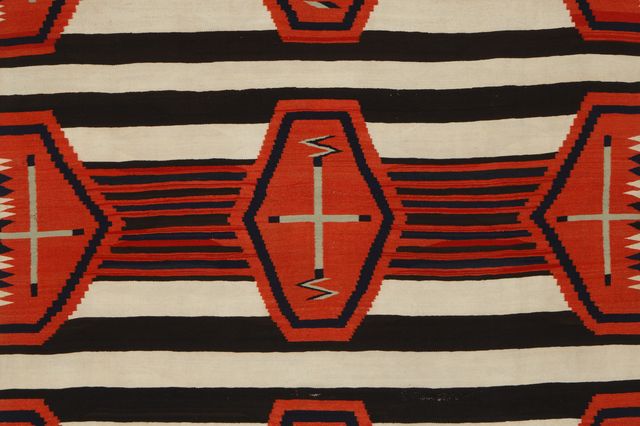
Thirty-seven extraordinary 19th-century textiles from the Durango Collection — a collection known for its high-quality historic Southwest weavings — will be on display at the Fowler Museum at UCLA. The exhibition showcases many of the collection’s signature pieces, including magnificent examples of the famous Diné chief blankets, and various woven garments from Pueblo peoples, including Hopi, Zuni and Jemez.
Photographs from the period offer visitors insights into the lives and artistic techniques of the weavers who created these textile masterworks. “Treasured Textiles” will be on display from September 13, 2015 to January 10, 2016.
Treasured Textiles traces the flowering of three great weaving traditions that developed in the highly varied landscapes of the Southwest. The history began over 1,000 years ago with the Ancestral Puebloans, who worked with native cotton on upright looms.
The Diné, also known as the Navajo, migrated into the Dinétah, their new homeland on the Colorado Plateau sometime prior to 1500. In the 1500s, the Spanish entered the Southwest, introducing sheep and the horizontal treadle loom to the region. By the 1700s, the Diné had become skilled wool weavers, trading prized textiles across the Southwest.

In the 19th century, weavers from all three groups — Pueblo peoples, Diné and Hispanic settlers — were producing exceptional works of art, influencing one another while developing their own characteristic, mature styles. All of these rich and vital textile traditions persist to the present day.
The Diné works in the exhibition include many early examples, such as the First and Second Phase chief blankets. One blanket comes complete with the story of the U.S. Army officer who used it as part of his military equipment. The oldest textile in the exhibition, dating to 1800, is a Saltillo serape (named for the style’s place of origin in northern Mexico) showing the intricate diamond patterning that later served as a source of inspiration for vibrantly colored, geometrically patterned Diné weavings known as “eyedazzlers.”
Other early Hispanic serapes, with subtle striped patterning, echo Pueblo and Diné styles of the same period. These and other examples illustrate how closely entwined the three traditions became as they flourished side-by-side in the 19th-century Southwest.
Most of the textiles in the Durango Collection date from about 1860 to 1880, a time of tremendous change in the American Southwest. This period brought the region under U.S. military control, while the coming of the railroads brought settlers from the Eastern states and created new trade opportunities.
Despite the different experiences of the three cultural groups, their weavings reveal a continual exchange of materials, techniques and ideas. The historical import of these works and their artistry and workmanship, which remain highly regarded today, make these textiles true treasures of the American Southwest.
The Durango Collection of Southwest Textiles is a comprehensive grouping of textiles and related items that represent 800 years of weaving in the American Southwest. The Durango Collection is part of the museum collections at the Center of Southwest Studies at Fort Lewis College in Durango, Colorado.
Treasured Textiles from the American Southwest: The Durango Collection has been adapted by the Fowler Museum and the Museum at the Center of Southwest Studies from the exhibition “Masterpieces of the Durango Collection: Native Blankets from the Early American Southwest,” developed by the Center of Southwest Studies at Fort Lewis College, in partnership with the Wheelwright Museum of the American Indian, Santa Fe, New Mexico.
Support for the exhibition is provided by the Donald B. Cordry Memorial Fund at the Fowler Museum, the Estate of Caroline D. West and the Fowler Museum Textile Council. Additional support comes from Carolyn and Charles Knobler, Michael Rohde, and Dena Marienthal.
The Fowler Museum at UCLA is one of the country’s most respected institutions devoted to exploring the arts and cultures of Africa, Asia and the Pacific, and the Americas. The Fowler is open Wednesdays through Sundays, from noon to 5 p.m.; and on Thursdays, from noon until 8 p.m. The museum is closed Mondays and Tuesdays. The Fowler Museum, part of UCLA Arts, is located in the north part of the UCLA campus. Admission is free. Parking is available for a maximum of $12 in Lot 4. For more information, the public may call 310-825-4361.
Public Programs
Sunday, October 4, 1 p.m. and 2 p.m.
Fowler OutSpoken Talks
Textiles and Paintings from the American Southwest
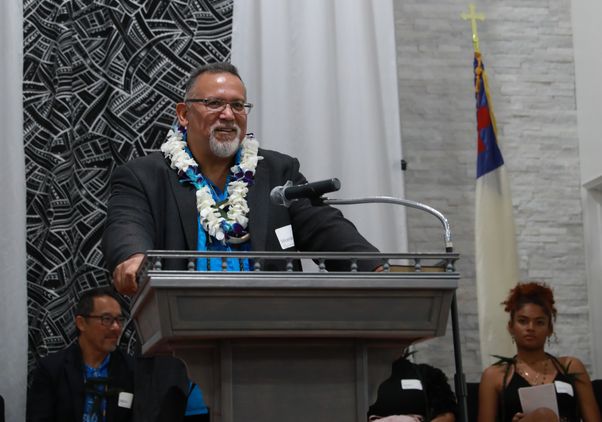
Presented in conjunction with the seventh annual KCRW Good Food Pie Day, the Fowler celebrates art of the American Southwest with talks by Jeanne Brako, curator of collections at the Center of Southwest Studies at Fort Lewis College, and Jim Enote, executive director of the A:shiwi A:wan Museum and Heritage Center. At 1 p.m., Brako looks at the ways designs, materials, styles and uses of Pueblo, Diné and Hispanic textiles have followed changes in the Southwest’s historic and social landscape. At 2 p.m., Enote explores notions of mapping through the Zuni Map Art Project, in which contemporary Zuni artists depict how they see their own history.
Thursday, October 8, 12 p.m.
Culture Fix
Roy Hamilton on American Southwest Textiles
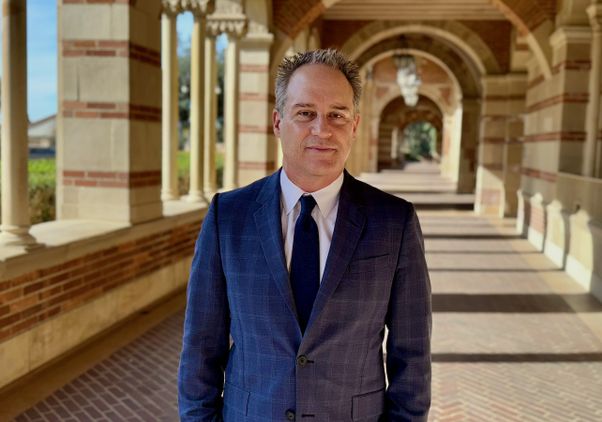
Treasured Textiles presents extraordinary weavings from the Durango Collection, which is highly regarded for the quality of its works from the Southwest. In this gallery talk, join Fowler Senior Curator Roy Hamilton as he looks closely at the commonalities and differences among the three textile cultures on view — Pueblo, Diné and Hispanic — as demonstrated by the fine details in their work.
Sunday, November 8, 1 p.m. – 4 p.m.
Colloquium
From Trading Posts to Today: The Commodification of American Indian Arts
Two speakers will discuss how diverse American Indian artworks have circulated in commercialized systems. Kathy M’Closkey, author of “Swept Under the Rug: A Hidden History of Navajo Weaving” (2008), chronicles the historical background revealed by trading post archives while Jim Enote of the Zuni Nation exposes the development of “pseudo-ceremonial” Zuni works of art. The program concludes with a screening of “Weaving Worlds,” a documentary that highlights the stories of artists and dealers involved in the making and selling of Diné textiles. The film presents a compelling portrait of the economic and cultural struggles faced by Diné weavers.
More related programs will be announced online.