The findings could provide scientists with a better understanding of how the brain goes awry in conditions like learning disorders and social anxiety disorder.
Magali Delmas, an environmental economist at UCLA, has been focusing on finding the most effective strategies to motivate people to change their behavior and conserve electricity.
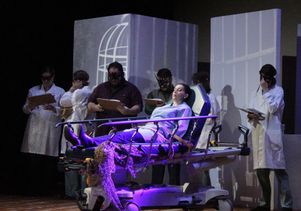
"The Center Cannot Hold" tells the life story of Elyn Saks, professor of psychiatry and law, whose schizophrenic episodes began when she was in high school and worsened when she was a student at Yale Law School.
It’s important for medical professionals to understand that one’s gender identity as man, woman or trans is different from one’s sexual identity as gay, bisexual, lesbian or heterosexual.
Professors Sholmo Benartzi and Alan Castel say that as people age, they tend to focus on positive memories and those blindspots to past negatives can have bad financial consequences.
Many midlife and older gay men experience the stress of being part of a sexual minority group. They perceive that they need to conceal their sexual orientation, or that others are uncomfortable with or avoid them because they are gay.
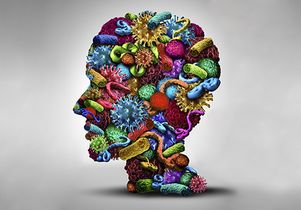
The latest research on the impact of microbes inside our bodies on brain development, function and behavior, from UCLA scientist and Sloan Foundation 'rising star' Elaine Hsaio.
With decades of experience in helping people with psychosis regain their place in society, UCLA neuroscientist Michael Green and his team of 10 psychiatrists, psychologists and other neuroscientists will look for ways to help formerly homeless veterans make the same transition.
The research found that the phenomenon holds true around the world — and that when people hear two women laughing together, they are likely to assume the women are friends.
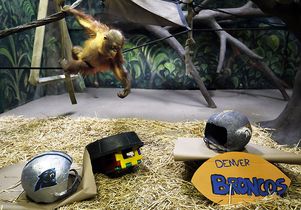
Timothy Fong, co-director of the UCLA Gambling Studies Program, writes that websites like DraftKings and FanDuel bear all the hallmarks of gambling — including addiction.
UCLA Chancellor Gene Block and UCLA psychologist Patricia Greenfield were part of a panel discussing the downside of the digital revolution at a Zócalo/UCLA event at the Museum of Contemporary Art.
Psychiatry professor Marco Iacoboni writes about the role empathy-generating mirror neurons play in creating feelings of community in our collective sports fandom.
By temporarily inactivating a part of the brain involved in impulse control, the researchers discovered compelling evidence that humans are predisposed to be generous to others.
A new training program is teaching pediatric residents how to balance their passion for helping children and families with the difficult realities of their profession.
The director of the UCLA Gambling Studies program on why people (even non-gamblers) bet so much on the Super Bowl, whether office pools are “gateway drugs” to more serious gambling, and how to recognize problem gambling.
The founding director of UCLA’s Ahmanson-Lovelace Brain Mapping Center is now vice chancellor for UCLA Health Sciences and chief executive officer of UCLA Health. And he’s still in awe of the brain and its complicated choreography.
Marketing professor Hal Hershfield writes that with a little more information in their monthly statements, consumers would make better choices on repaying their balances.
Dr. Vernon Rosario, an expert on LGBT mental health issues, comments on "The Danish Girl," a movie about one of the first individuals to undergo a sex change.
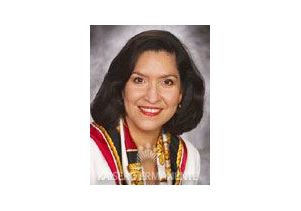
MALDEF, the nation's leading Latino legal civil rights organization, recently honored UCLA psychologist Cynthia Telles, director of the UCLA Neuropsychiatric Institute Spanish-speaking Psychosocial Clinic, at MALDEF's 2015 Los Angeles Awards Gala held Thursday.