New reports show how to add 1.5 million people to the county while preserving the vast majority of the area’s character and staying lower density than Manhattan.
The Laboratory for Environmental Narrative Strategies, or LENS, aims to spur new thinking about the role of multimedia storytelling to drive sustainability.
Mark Gold criticizes the state’s decision to establish voluntary water conservation targets, and praises the continued drought reduction mandates of Los Angeles.
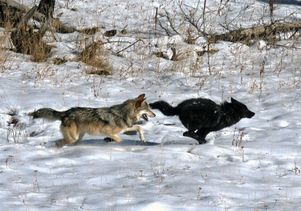
UCLA biologists have found genetic evidence that supports keeping the gray wolf protected by the U.S. Fish and Wildlife Service, which might rule this fall to remove it from the endangered list.
Magali Delmas, an environmental economist at UCLA, has been focusing on finding the most effective strategies to motivate people to change their behavior and conserve electricity.
During a launch event for the new issue, editor-in-chief Jim Newton spoke to Mary Nichols, whose work as an environmental advocate is profiled in the magazine.
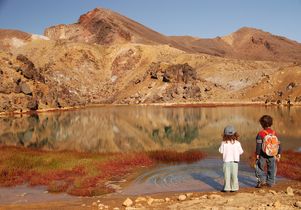
Students are taught about extinction in classrooms, but it’s their direct experience with nature that is rapidly disappearing, warns Peter Kareiva, director of the UCLA Institute of the Environment and Sustainability.
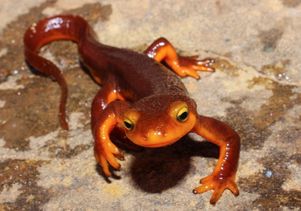
L.A.’s only species of newt is showing signs of severe distress, troubling researchers and raising questions about the impacts of the drought and climate change.
Lee Cooper writes about how UCLA’s Sustainable LA Grand Challenge will leverage the university’s students to make Los Angeles energy and water independent.
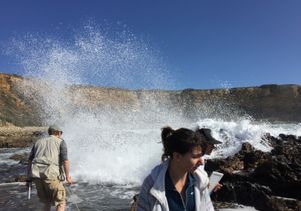
While many students head home or to resort locations during spring break, a group of UCLA students is monitoring the tides and rushing to the coastal bluffs of Palos Verdes to observe how El Niño is changing life in tide pools.
The UCLA Sustainable LA Grand Challenge’s first competitive research grants will go to 11 projects, ranging from developing lightweight solar panels that double as batteries to studying the costs of algae-based biofuels.
In this Q&A, Jon Christensen of UCLA and his colleague Adam Wolf discuss their study of how climate change affects plant species’ shifting in California.
Mark Gold writes that we’re going to lose tens of billions of gallons of water to runoff because Los Angeles’ infrastructure is not designed to capture and store rainfall.
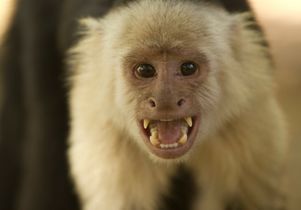
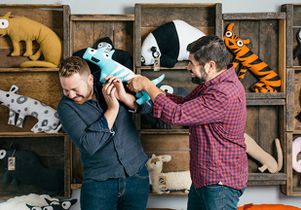
Two UCLA alumni are helping to save endangered animals by selling stuffed toys of endangered animals and then donating part of their profits to wildlife preservation groups.
There are more than 100 research projects that will help conserve, invent and incentivize the county to fully renewable energy, 100 percent local water and a healthier ecosystem.
The plan is a key step in UCLA’s Sustainable LA Grand Challenge, which aims to move the county to 100 percent renewable energy, 100 percent local water and enhanced ecosystem health by 2050.
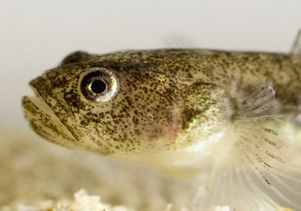
The $1.75 million grant will be used to create a toolkit to analyze genomics data, allowing researchers to understand how threatened populations respond to changes in habitats and climate.
Eating local is good. All corporations are bad. Population growth is the problem. Peter Kareiva, director of the UCLA Institute of the Environment and Sustainability, implores people to question assertions like these.