Level of inflammation could help predict effectiveness of electroconvulsive therapy for major depression March 5, 2018 If the ...
Brain scan and artificial intelligence could help predict whether OCD will improve with treatment February 13, 2018 “If the ...
Researchers find potential path to repair nerves damaged by multiple sclerosis January 8, 2018 The ...
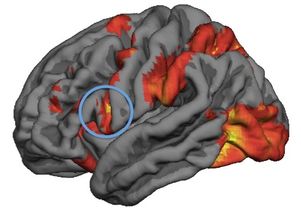
Mirror neuron activity predicts people’s decision-making in moral dilemmas, UCLA study finds January 4, 2018 The ...
$5 million grant from NIH will enable UCLA to develop new models for autism December 11, 2017 The ...
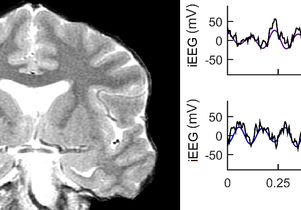
Neuroscientists show deep brain waves occur more often during navigation and memory formation December 11, 2017 The ...
Biomarkers can reveal traumatic brain injury, even when concussions don’t show up on CAT scan October 26, 2017 The ...
UCLA neuroscientists use weak electrical signal to stimulate human brain and improve memory October 24, 2017 UCLA ...
NIH awards almost $10 million to UCLA Center for Autism Research and Treatment October 12, 2017 The ...
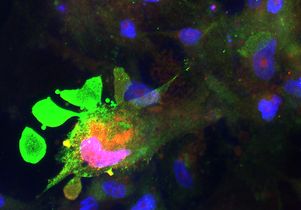
Better ‘mini brains’ could help scientists identify treatments for Zika-related brain damage October 10, 2017 Using ...
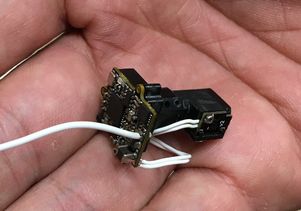
$8.3 million grant from National Science Foundation will help UCLA spread technology behind mini microscope September 27, 2017 When ...
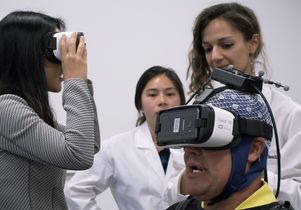
Neuroscientist harnesses the power of virtual reality to unlock the mysteries of memory August 30, 2017 UCLA ...
Sleep biology discovery could lead to new insomnia treatments that don’t target the brain August 10, 2017 UCLA ...
Electrical stimulation of brain may help people with schizophrenia learn to communicate better July 12, 2017 People ...
Changes in brain regions may explain why some prefer order and certainty, UCLA behavioral neuroscientists report July 6, 2017 Why do ...