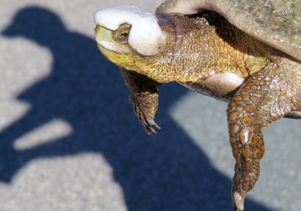
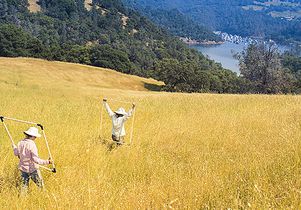
Biologists with the UCLA La Kretz Center for California Conservation Science recently went on a rescue mission to save endangered turtles that have become dehydrated, emaciated and stressed-out by the extended drought.
Using UCLA environmental research, the Los Angeles City Council passed a motion to develop a program to improve energy and water conservation efforts in city buildings that consume the most resources.
Six proposals led primarily by UCLA units are vying with 261 others for grant funding by the Goldhirsh Foundation, which is hoping to jump-start projects that will make L.A. the best place to play, to connect, to live, create and learn by 2050.
Two UCLA engineering professors say that it's crucial for engineers to understand the hazards that threaten our levees to ensure that California's fresh water delivery system remains protected in the future.
Efforts to hit Gov. Brown’s water reduction target could have unintended, and potentially harmful, consequences for the health of Californians and their communities.
Water researchers from UCLA, the Natural History Museum and elsewhere are helping the region understand issues, history and possible solutions related to the drought. A discussion series featuring panels of experts begins July 10.
Among the group's other recommendations: household water meters that measure indoor and outdoor water use separately, and stronger incentives for drought-resistant landscaping.
Professor Yoram Cohen suggests that water reclamation, water recycling and reuse could become very important for health and conservation in the future.
A rolling water treatment plant designed by UCLA researchers made a pit stop on campus this week before heading north to the San Joaquin Valley, where it will help address California’s inadequate water supply.
University of California experts gathered for a daylong summit in the state Capitol to discuss impacts and implications of one the most severe droughts on record.
UCLA engineering professor Yoram Cohen's Gray2Blue system cleans up a home's gray water for reuse in irrigating the garden. It could save Californians billions of gallons of clean water every day.