Dr. Timothy Fong, co-director of the UCLA Gambling Studies Program, shares insight into how something “fun” can become a devastating addiction for some people.
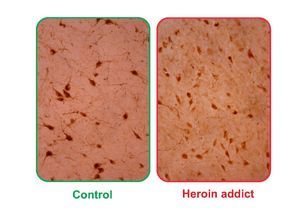
Two discoveries — one in the brains of people with heroin addiction and the other in the brains of sleepy mice — shed light on chemical messengers that regulate sleep and addiction, UCLA researchers say.
The roots of America’s widespread opioid addiction are multifaceted and extend to the economy, bad medicine and corrupt pharmacists, said UCLA legal scholar and health policy expert Jill Horwitz.
Sociology major Kevin Hale discovered his aptitude for counseling people with addictions while in treatment for alcohol abuse. This fall, the graduating senior will start his master’s studies in social welfare.
UCLA Chancellor Gene Block and UCLA psychologist Patricia Greenfield were part of a panel discussing the downside of the digital revolution at a Zócalo/UCLA event at the Museum of Contemporary Art.
The short conversations, educational literature and follow-up phone calls that are part of Project QUIT helped people reduce their risky drug use by a third.
UCLA is marking the Great American Smokeout on Nov. 20 by introducing a new technology tool to help smokers seen in the UCLA Health System quit for good.