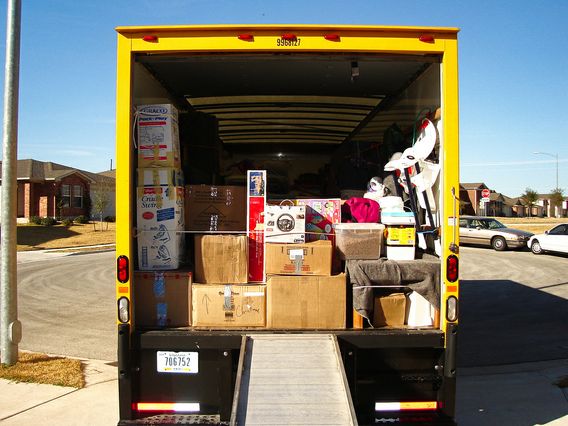
 It’s not what first lady Michele Obama had in mind with her Let’s Move! initiative, but that’s just what Americans did from 2008 to 2010 — at the height of what economists call the Great Recession.
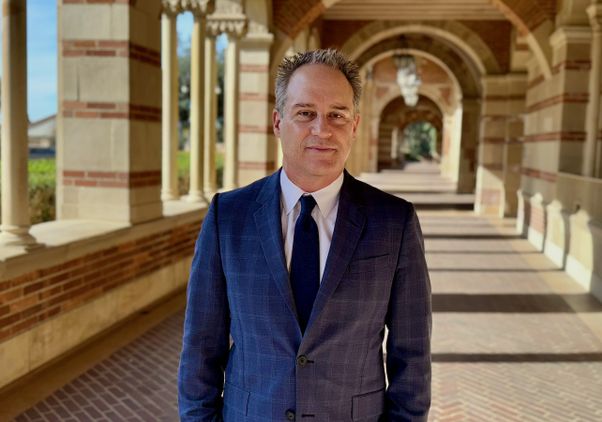
A recent study by Michael A. Stoll, professor and chair of public policy at the Luskin School of Public Affairs, looked at residential mobility in the U.S. over the last three decades, focusing particularly on the last decade.
Moving isn’t a foreign activity for most Americans; 10 percent of all Americans move each year. But Stoll’s report, “Great Recession Spurs a Shift to Local Moves,” held some surprising findings.
“The surprise was how much of a shock the Great Recession had,” Stoll said. “The local move rate increased by 2 percentage points, which, in absolute numbers, represented about 4 million Americans moving locally at the height of the Great Recession in 2010.”
Moving isn’t a foreign activity for most Americans; 10 percent of all Americans move each year. But Stoll’s report, “Great Recession Spurs a Shift to Local Moves,” held some surprising findings.
“The surprise was how much of a shock the Great Recession had,” Stoll said. “The local move rate increased by 2 percentage points, which, in absolute numbers, represented about 4 million Americans moving locally at the height of the Great Recession in 2010.”
The report was commissioned by the Russell Sage Foundation’s 2010 U.S. Census report.
Respondents were asked if they had moved in the last year, and, if so, where. Over the last 30 years, researchers found a big decline in out-of-state moves. Local moves made within a given county or metropolitan area, which comprise the bulk of all moves in the U.S., have also declined.
With a collapsed housing industry and spiking unemployment, the recession was marked by a vicious cycle of foreclosures and job loss. Because the effects were nationwide, Americans found fewer opportunities out of state.
“What we found was that interstate moves declined — probably because people didn’t have a lot of resources to move and because everywhere else was hit hard — and that local moves increased,” said Stoll.
Respondents were asked if they had moved in the last year, and, if so, where. Over the last 30 years, researchers found a big decline in out-of-state moves. Local moves made within a given county or metropolitan area, which comprise the bulk of all moves in the U.S., have also declined.
With a collapsed housing industry and spiking unemployment, the recession was marked by a vicious cycle of foreclosures and job loss. Because the effects were nationwide, Americans found fewer opportunities out of state.
“What we found was that interstate moves declined — probably because people didn’t have a lot of resources to move and because everywhere else was hit hard — and that local moves increased,” said Stoll.
“Typically, residential mobility in the U.S. has been a pathway to economic opportunity; people move because they’re taking a new job, or they’re moving into a bigger home or better neighborhood … that’s been the American story,” said Stoll.
“What was unique about this time period is that a large fraction of these local moves were characterized by downward economic mobility. People were moving out of homes they owned or to more affordable or less desirable neighborhoods,” he said.
“In some areas, these impacts are really large,” said Stoll. “In Las Vegas, for example, in 2010 one in five people moved. That’s 20 percent of people moving!”
Minority groups, especially African Americans, were hit hard by unemployment and foreclosure, Stoll found. Because so many more African Americans were unemployed, there was a higher probability that they moved during this period.
“Some groups, for a variety of different reasons, were able to negotiate that process better,” Stoll said. “There’s some evidence from the Center for Responsible Lending that suggests that whites, because of their larger network structure, were able to fend off foreclosure for longer periods of time and to negotiate mortgage adjustments to a much greater extent than others. It doesn’t seem that blacks were able to do that. When they were in the foreclosure process, the outcome for foreclosure was pretty final.”
One of the ironies of the Great Recession, Stoll said, was that it pushed more people into rental housing, which caused rent prices to go up. “So it made renting less affordable than owning,” he said. “But as a result, financial institutions in the United States tightened lending standards and increased the down payment percentage required.
“The result was that people who struggled to find affordable housing were hit on two fronts: Rental housing became more expensive, and it was harder to get back into the housing market.”
A lesson to policymakers, Stoll said, should be that programs to help families in a housing crisis should do a better job of publicizing themselves to the low-income people who need them. “It was clear that people with better means, or with better networks, or who might have been more educated about the process, were certainly able to negotiate through that process with better outcomes.”
Launched in 2009, the U.S. 2010 project is an investigation of the subtle shifts and long-term trends in American life and an analysis of what these developments may mean for the future. Studies in this project are based on the decennial U.S. Census, the American Community Survey and other key data sources.
“What was unique about this time period is that a large fraction of these local moves were characterized by downward economic mobility. People were moving out of homes they owned or to more affordable or less desirable neighborhoods,” he said.
“In some areas, these impacts are really large,” said Stoll. “In Las Vegas, for example, in 2010 one in five people moved. That’s 20 percent of people moving!”
Minority groups, especially African Americans, were hit hard by unemployment and foreclosure, Stoll found. Because so many more African Americans were unemployed, there was a higher probability that they moved during this period.
“Some groups, for a variety of different reasons, were able to negotiate that process better,” Stoll said. “There’s some evidence from the Center for Responsible Lending that suggests that whites, because of their larger network structure, were able to fend off foreclosure for longer periods of time and to negotiate mortgage adjustments to a much greater extent than others. It doesn’t seem that blacks were able to do that. When they were in the foreclosure process, the outcome for foreclosure was pretty final.”
One of the ironies of the Great Recession, Stoll said, was that it pushed more people into rental housing, which caused rent prices to go up. “So it made renting less affordable than owning,” he said. “But as a result, financial institutions in the United States tightened lending standards and increased the down payment percentage required.
“The result was that people who struggled to find affordable housing were hit on two fronts: Rental housing became more expensive, and it was harder to get back into the housing market.”
A lesson to policymakers, Stoll said, should be that programs to help families in a housing crisis should do a better job of publicizing themselves to the low-income people who need them. “It was clear that people with better means, or with better networks, or who might have been more educated about the process, were certainly able to negotiate through that process with better outcomes.”
Launched in 2009, the U.S. 2010 project is an investigation of the subtle shifts and long-term trends in American life and an analysis of what these developments may mean for the future. Studies in this project are based on the decennial U.S. Census, the American Community Survey and other key data sources.