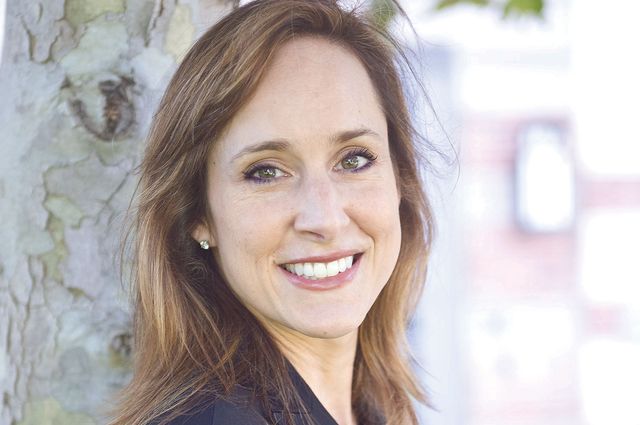
Harriet Kerr is the director of prevention and community education at UCLA's Rape Treatment Center in Santa Monica. She has been helping children and adults cope with the trauma of sexual assault for more than 20 years. Recently, she spoke with Randy Cohen for UCLA Health System's Employee News.
Was there a particular incident that triggered the need for the Rape Treatment Center?
It all began back in 1974 when a young woman was brought to the Emergency Room at Santa Monica Hospital (before it became part of UCLA) after trying to kill herself. Gail Abarbanel, the founder and director of the Rape Treatment Center (RTC), was working as a hospital social worker and learned from the woman that she had been brutally raped a week earlier.
After waiting for hours, feeling traumatized and vulnerable, the woman left without being seen after the attack. A week later, she attempted suicide and subsequently met Gail in the ER. Wanting to ensure that no one else ever felt there was no place to go for help, Gail started the RTC that same year with the vision to provide safe, compassionate and expert care for victims of sexual assault.
What led to your working at the RTC and wanting to help victims of rape/sexual assault?
For most of my 20 years as a professional social worker, I have worked with children and adults who are dealing with trauma, often as a result of sexual assault. As a young social worker, I found the work interesting and felt it was important. I’ve worked at RTC for 11 years and find the ability to help people recover and thrive very rewarding.
What are your goals as director of prevention and community education?
My primary goal is for our prevention/education team to deliver high-quality, evidence-based prevention education programming to one of our most vulnerable populations: middle- and high-school-aged kids. Our intention is to reduce sexual violence perpetration and victimization. Secondarily, I want our work with the greater community to bring a meaningful shift away from the rape-supportive and victim-blaming culture prevalent today, and toward a culture where everyone feels invested and responsible for standing up for others, and preventing interpersonal violence in all its forms.
What are the challenges of your job?
There are times when it is hard to feel that justice has been served for our clients. It is difficult to remain hopeful about how well our system responds to sexual assault cases. At times like that, I reflect on the great strides that pioneers like Gail have made in the field of rape prevention — the discriminatory laws that have been changed and the improvements in system response to victims. And that gives me the inspiration to continue this challenging work.
How has the RTC’s role in educating the public increased the number of victims who are willing to come forward?
Every time we do outreach or community education, we are aware that there are men, women and children in the audience who have experienced sexual assault. Our hope is that by our willingness to talk about rape — and by letting people know that there is compassionate, expert help available — people will come forward to get the support they deserve.
What do you feel are the most important services you offer to help victims?
I would say the comprehensive nature of our services is the most important aspect of what we offer the community. A person who has been sexually assaulted can come to the RTC and receive expert medical care, forensic/evidentiary examination, crisis counseling, legal advocacy, accompaniment during the reporting process with police, and ongoing therapy and support. By addressing so many of our clients’ immediate worries and concerns, and by establishing a connection that enables them to receive ongoing care and support, the healing process begins almost immediately.
What would you tell someone who had been sexually assaulted but felt uncomfortable coming forward?
I would say this: “You are not alone … there is help available and you deserve that support.” Then I would ask him or her to talk to me about their specific worries so I would know how to be most helpful.
This Q&A is in UCLA Health System's Employee News.