The latest film series being hosted by the UCLA Film and Television Archive sheds light on a revolution that shook the foundations of the moviemaking industry and changed it forever: how movie studios made the transition from silent film to sound in the late 1920s.

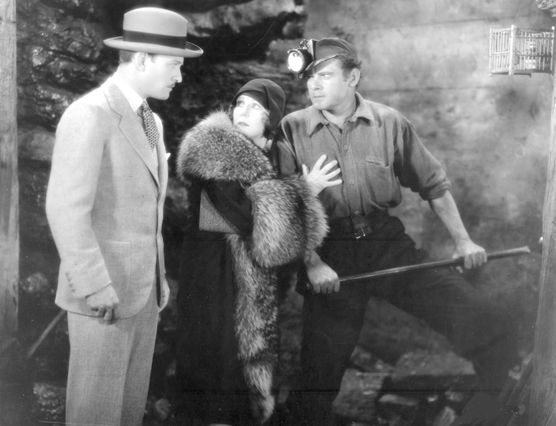
The movie, "Dynamite," (1929) was director Cecil B. DeMille's first all-talkie feature as well as his last silent film. It was part of the archive's series.
While the transition “was definitely a revolution” and a radical departure for the big screen, it happened gradually, explained Paul Malcolm, curator of the archive’s latest film series, “Silent/Sync/Sound: Multiple Versions from the Transition Era.” The movie studios were well aware that thousands of theater owners would not be able to immediately invest in the new technology that made sound possible, so the studios decided to release two versions of their films, one silent and the other sound.
The series, which runs until Feb. 17, clears up the misconception that this change happened overnight. Six back-to-back double features are being screened of movies that were made in two formats, demonstrating just how orderly and rational the transition process was. It also draws attention to interesting differences between the two versions, such as alternate endings.
"Audiences would not have had a chance to see both versions in the way that we’re presenting them in this series,” the curator said. They would have seen “whatever was playing in their market, and that was it.”
Malcolm sees many similarities between the silent-to-sound transition then and the film-to-digital changeover occurring today.
“Studios today still produce 35mm prints, but are increasingly producing and distributing their films digitally," he said. So movie studios have given exhibitors and theaters deadlines by which they need to equip their venues for digital movies, and those deadlines are coming closer. As was in the case with the transition from silent to sound, “it’s been up to the exhibitors to make the jump or not, and that’s the big dilemma: how much it costs for the exhibitors.”

A scene from Rain of Shine (1930), Both the silent and sound versions will be screened Feb. 16. at 7:30 p.m. at the Billy Wilder Theater.
“The archive is preserving an experience that, maybe, in five, 10, 15 years from now will be rare. People won’t necessarily go to the movies anymore,” he speculated, chuckling. “Maybe they’ll stay home watching their 110-inch televisions.”
Malcolm spent three years curating the series because of the difficulty of finding both versions of each film. Although more than 91% of all the features released in the first quarter of 1929 were available in both sound and silent formats, most of the existing films today can be found only in one format.
Malcolm sees the series as a point of departure that raises more questions about that period than it answers. “Hopefully people will pursue those questions — students, faculty, or film buffs out there — to learn more about the films that exist” and those that have been lost.
For a full schedule of the film series’ screenings, click here.