UCLA Operation Mend’s wounded warriors march in New York City Veterans Day Parade November 16, 2017 More ...
Federal policy to reduce re-hospitalizations is linked to increased mortality rates November 12, 2017 A ...
UCLA scientists contribute to plan for how U.S. can deliver on 2016 cancer ‘moonshot’ initiative November 1, 2017 The ...
Survey provides insight into demographics and health of California’s transgender adults October 31, 2017 Data in ...
Biomarkers can reveal traumatic brain injury, even when concussions don’t show up on CAT scan October 26, 2017 The ...
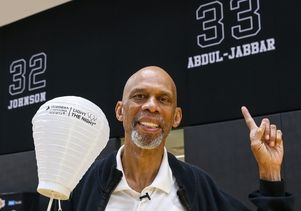
Kareem Abdul-Jabbar joins UCLA Health and the Los Angeles Lakers in leukemia and lymphoma fundraiser October 26, 2017 The ...
UCLA Health launches pioneering mobile stroke unit with support from L.A. County October 25, 2017 The ...
UCLA neuroscientists use weak electrical signal to stimulate human brain and improve memory October 24, 2017 UCLA ...
Digital storytelling helps encourage Latinas to pursue treatment for depression and anxiety October 20, 2017 A UCLA ...
NIH awards almost $10 million to UCLA Center for Autism Research and Treatment October 12, 2017 The ...
Operation Mend’s 10th anniversary celebration raises more than $1.1 million for wounded veterans October 12, 2017 The ...
Better ‘mini brains’ could help scientists identify treatments for Zika-related brain damage October 10, 2017 Using ...
Combination treatment targeting glucose in advanced brain cancer shows promising results in preclinical study October 9, 2017 The ...
Low-cost, high-volume services make up big portion of spending on unneeded health care October 4, 2017 The ...