Hiroshi Motomura, Michelle Huneven and Aydogan Ozcan were selected for the distinguished prizes that go to scholars, artists and scientists in the United States and Canada.
Americans toss out $165 billion worth of food each year, often out of safety concerns fueled by confusion about the meaning of the multitude of date labels on packages.
Kathleen Salvaty oversees UC’s ongoing efforts to effectively prevent and respond to sexual violence and sexual harassment, which includes education, investigation, adjudication and sanctioning in cases involving students, faculty and staff.
“The New Criminal Justice Thinking,” which UCLA’s Sharon Dolovich edited with professor Alexandra Natapoff of Loyola Law School, includes 14 essays by scholars, sociologists and criminologists who train their eyes on the system’s hidden corners.
UCLA School of Law is joining the Los Angeles Police Commission, the Los Angeles Police Department and two other law schools to help establish a policy for the release of body camera footage by the police department.
South African prisoners, sickened miners and others whose human rights have been violated are gaining access to justice, thanks to a UCLA School of Law program that offers full scholarships and training to African lawyers who then take up their cause.
Now in its 20th year, the UCLA Law Fellows program, run by UCLA School of Law, demystifies law school for undergraduates from various colleges and universities, who aspire to law careers.
Jill Horwitz took a few minutes to answer a few fun, random questions about tacos and her favorite book in Zócalo's green room before participating in the Zócalo/UCLA panel “Can Anything Stop America’s Opioid Addiction?"
UCLA Luskin School of Public Affairs researchers have been selected to join the Research Network on Misdemeanor Justice, based at the John Jay College of Criminal Justice in New York, to study policing patterns related to misdemeanors in the city of Los Angeles.
When protests erupted after President Trump signed his executive order on immigration last month, more than 200 UCLA School of Law students jumped into action.
UCLA School of Law students honed their research, analytic and drafting skills when they worked on an amicus curiae brief on a case that will be argued Thursday before the U.S. Court of Appeals for the 11th Circuit.
At the time of her three-year incarceration in internment camps, she didn't ask herself why this was happening. But in the ensuing years, she and her husband began a tireless quest for answers.
The research found that although cases were handled swiftly, there were failings in protecting the rights of defendants, providing police oversight and investigating crimes.
Both programs are available for students applying for admission for fall 2017 and will cover tuition costs for the duration of the awardees’ legal education at UCLA.
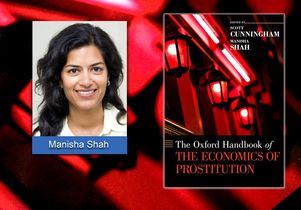
Although prostitution has been studied by various social scientists, the “world’s oldest profession” has received less attention from economists. But that’s changing.
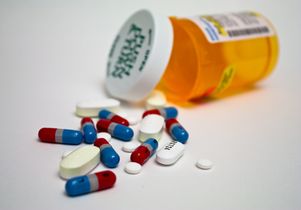
Law professor Jill Horwitz discusses the high rate of opioid addiction, and analyzes the ineffective state laws that have tried to curb the pervasive disease.
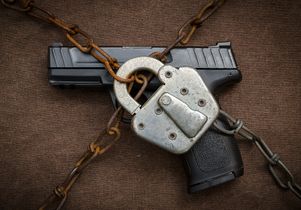
Law professor Adam Winkler writes that it’s time for Congress to pass a law that safeguards due process and forbids suspected terrorists from purchasing firearms.
At the first of more than 50 commencement and graduation ceremonies that will be held over the next four weeks at UCLA, more than 450 jubilant graduates from the UCLA School of Law gathered Friday in Dickson Court North.
Law professor Noah Zatz argues that the sentencing concept of “working off debt” violates the 13th Amendment's prohibition against involuntary servitude and disproportionately punishes communities of color.