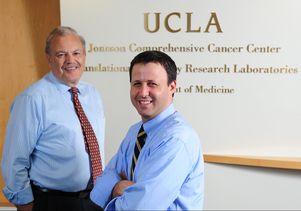
Research at UCLA played key role in developing the treatment, which could signal a new strategy for arresting tumor growth and extending the time before cancer worsens.
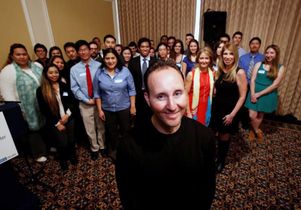
A rare event organized by the UCLA Blood and Platelet Center brought together a man who survived a horrific motorcycle crash with some of the 196 blood donors who helped save his life.
A group of nursing students and faculty members on an educational mission were enthusiastically welcomed in Havana following news of closer relations between the U.S. and Cuba.
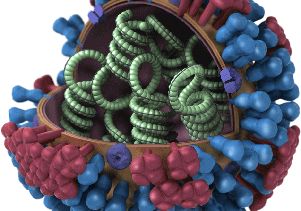
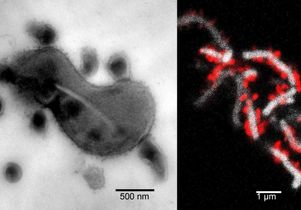
Viruses are incredibly simple, arguably the most simple living organisms on the planet. But they are wreaking havoc in many parts of the world. Here are some facts about viruses.
Using a series of weekly 30-minute concerts held in various campus locations, Mindful Music, a community project that features some of UCLA’s most talented music students, aims to shed light on how music impacts personal stress levels.
Initiative will improve patients’ access to health care, enhance care coordination and achieve the goals of improved health, affordability and patient experience.
The discovery by scientists at the UCLA Jonsson Comprehensive Cancer Center paves the way for the development of more effective patient-tailored therapies.
People with a deficiency of the iron-regulating hormone hepcidin are especially vulnerable to Vibrio vulnificus, but research shows a medical form of the hormone can cure the infection.
Off-label prescriptions of medications and medical devices can be beneficial, but without rigorous study it is difficult to know what works and what doesn’t.
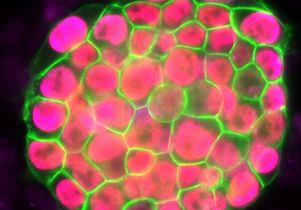
A team led by researchers at the California NanoSystems Institute developed a new method for extracting and analyzing cancer cells circulating in patients’ blood.
New UCLA brain research offers hope that lost memories can be restored. The study provides evidence that long-term memory is not stored at synapses, as previously thought.
UCLA study shows that combining palbociclib with letrozole effectively doubled the length of time women with estrogen receptor-positive breast cancer were on treatment without their cancer worsening.
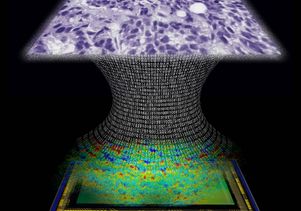
UCLA researchers led by Aydogan Ozcan have developed a lens-free microscope that can be used to detect cancer with the same accuracy as larger and more expensive optical microscopes.
UCLA’s Children's Pain and Comfort Care team at Mattel Children's Hospital works to succor pediatric, adolescent and young-adult patients in their days of need and to help their families grapple with the unfathomable: the death of that young patient.
New UCLA research indicates that use of social media such as Facebook and Twitter along with behavioral psychology can boost HIV testing rates, suggesting a valuable tool in the fight against the virus that causes AIDS.
UCLA’s Edward Garon, the study’s principal investigator, says the drug offers new hope for people with lung cancer who often have few treatment options.