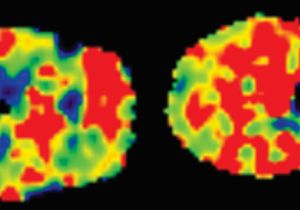
UCLA researchers discover method to measure stiffness of arteries in the brain September 22, 2015 Finding ...
Alzheimer’s disease consists of three distinct subtypes, according to UCLA study September 16, 2015 One of ...
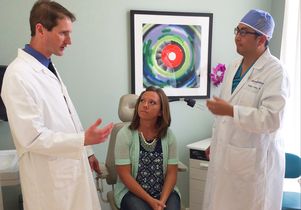
UCLA doctors perform life-changing surgery on woman plagued by internal sounds of her body September 1, 2015 Until ...
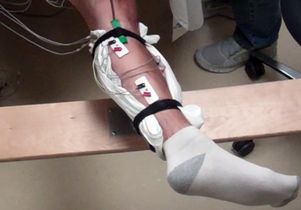
Completely paralyzed man voluntarily moves his legs, UCLA scientists report September 1, 2015 Aided ...
UCLA researchers create a promising new treatment for the deadliest form of brain cancer September 1, 2015 Method ...
UCLA researchers provide first evidence of how obstructive sleep apnea damages the brain September 1, 2015 The ...
UCLA–Tel Aviv study suggests REM sleep helps the brain capture snapshots of dream images August 11, 2015 The ...
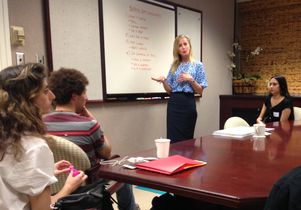
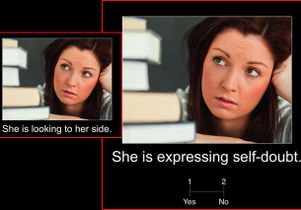
Young adults with autism show improved social function following UCLA skills program July 30, 2015 New ...
In UCLA study, non-surgical approach helps people with paralysis voluntarily move their legs – a first July 30, 2015 Five ...
Hospitals’ compliance with guidelines for treating brain injuries doesn’t guarantee better outcomes July 27, 2015 A ...
Study may show a way to predict whether children with a genetic disorder will develop autism or psychosis July 24, 2015 ...
Research might explain why children’s recovery times vary after traumatic brain injury July 14, 2015 Why do ...
Rare genetic mutations occur more often in schizophrenia patients, UCLA researchers find July 9, 2015 New ...
Brain scan can predict who responds best to certain treatment for obsessive-compulsive disorder June 23, 2015 Tens of ...
UCLA scientists will monitor student-athletes to further explain biology of concussions June 19, 2015 The ...
Children with autism who are overly sensitive to stimuli have brains that react differently June 10, 2015 ...
Even when we’re resting, our brains are preparing us to be social, UCLA psychologists report May 28, 2015 “The ...
UCLA researchers identify a potentially effective treatment for methamphetamine addiction May 19, 2015 “The ...