Scientists from UCLA and other universities developed a system that tests when global warming contributes to record-setting weather events, and to what extent.
UCLA study shows that certified green buildings save 319 million pounds of carbon emissions in Los Angeles per year. Unfortunately, smaller buildings are left behind.
UCLA's Congo Basin Institute led a team of UCLA and Cameroonian students into a rain forest in central Africa to reopen a field station in a jungle with a thriving ecosystem with birds, elephants and monkeys.
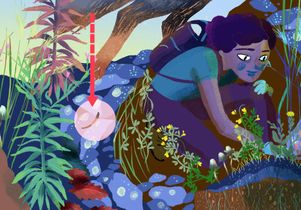
This vernal equinox — the first day of spring — flora and fauna from Palos Verdes to the Yosemite Valley have been rejuvenated by a historically wet, snowy winter.
UCLA research shows that during future droughts human-induced climate change could all but eliminate California's snowpack, which supplies 60 percent of the state's water supply.
UCLA’s extensive water-saving program garnered the Water Efficiency Project of the Year award, presented by the environmentally focused organization the Los Angeles Better Buildings Challenge at its third annual Innovation Awards ceremony.
Alex Hall and Mark Gold say California’s infrastructure needs to be designed for how the state’s climate will be in the future, which likely means more rain and less snow.
Researchers found that exposure to the pollution caused mice to experience changes in the normal composition of gut bacteria. This in turn produced a cascade of negative health effects.
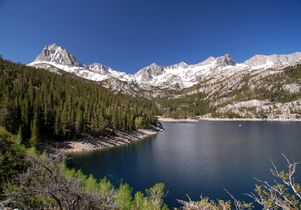
Professor Alex Hall’s research shows that, as temperatures warm in the Sierra Nevada, a deluge could overwhelm California’s patchwork network of dams and reservoirs that currently supplies 60 percent of the state's water.
From linen-free tables and wine kegs to maximum use of natural light and recycled steel, the new UCLA Meyer and Renee Luskin Conference Center leads the way in sustainability.
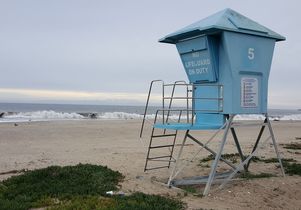
Sixty-two percent of California voters said access to coastal areas is a problem, and even more said that they were deterred by the cost of parking, overnight accommodations and transportation options.
You can be among the 1,000 volunteer citizen scientists who will collect 18,000 samples of soil and aquatic sediment from across the state through a new University of California program called CALeDNA.
The UCLA Sustainable LA Grand Challenge awarded its second round competitive research grants this month, providing $1 million to eight new projects focusing on renewable energy, transportation and urban ecosystems.
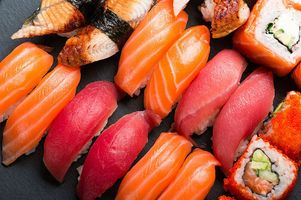
Almost half of the fish ordered at Los Angeles-area sushi restaurants turned out to be mislabeled, which has both environmental and public health implications.
Michael Ross, professor of political science at UCLA, spent the past four years studying fossil fuel policies across 157 countries. The analysis was published in Nature Energy.
DNA collected from tip of the base of the feathers enable the scientists to create fine-scale maps tracing the migration of species of birds so they can better focus conservation efforts.
“As a university we have a deep commitment to research innovative solutions for tomorrow, to serve the greater public good and to educate the leaders of future generations,” said Chancellor Gene Block.
The drought is highlighting disparities in the price of water that vary widely, depending on who is supplying it in this archaic and complex water delivery system serving Southern California.
New research shows that a collapse of an ice sheet 14,000 years ago in what is now western Canada triggered a reorganization of the jet stream in a century — a geological blink of an eye.
UCLA scientists are studying the Sierra Nevada's climate future using a technique to create simulations to predict outcomes under different circumstances and help them understand the physical reasons for the projected changes.
As life-changing as these new projects that voters approved on Nov. 8 might be, one of the region’s most critical infrastructure needs is still being largely ignored: water.
New reports show how to add 1.5 million people to the county while preserving the vast majority of the area’s character and staying lower density than Manhattan.