The findings will both help identify women who are at highest risk of developing ovarian cancer and pave the way for identifying new therapies that can target these specific genes.
Research Brief: Nearly 1 million people in the U.S. have MS, and treatments that can reverse the course of disease, rather than temporarily ease symptoms, are needed.
The brain cells, called astrocytes, previously thought to provide mainly nourishment and housekeeping functions for neurons, may help regulate the disorders, a UCLA study suggests.
Team members are using social media, reaching out to friends and family, and doing outreach around campus to share information about the effort and ask for their support.
The center will use state-of-the-art treatments, recruit top faculty from around the world and raise awareness of the causes and treatment of esophageal disease.
Ziva Cooper, of the UCLA Cannabis Research Institute, will direct interdisciplinary teams of scholars with specialties in medicine, public health, policy, science and law.
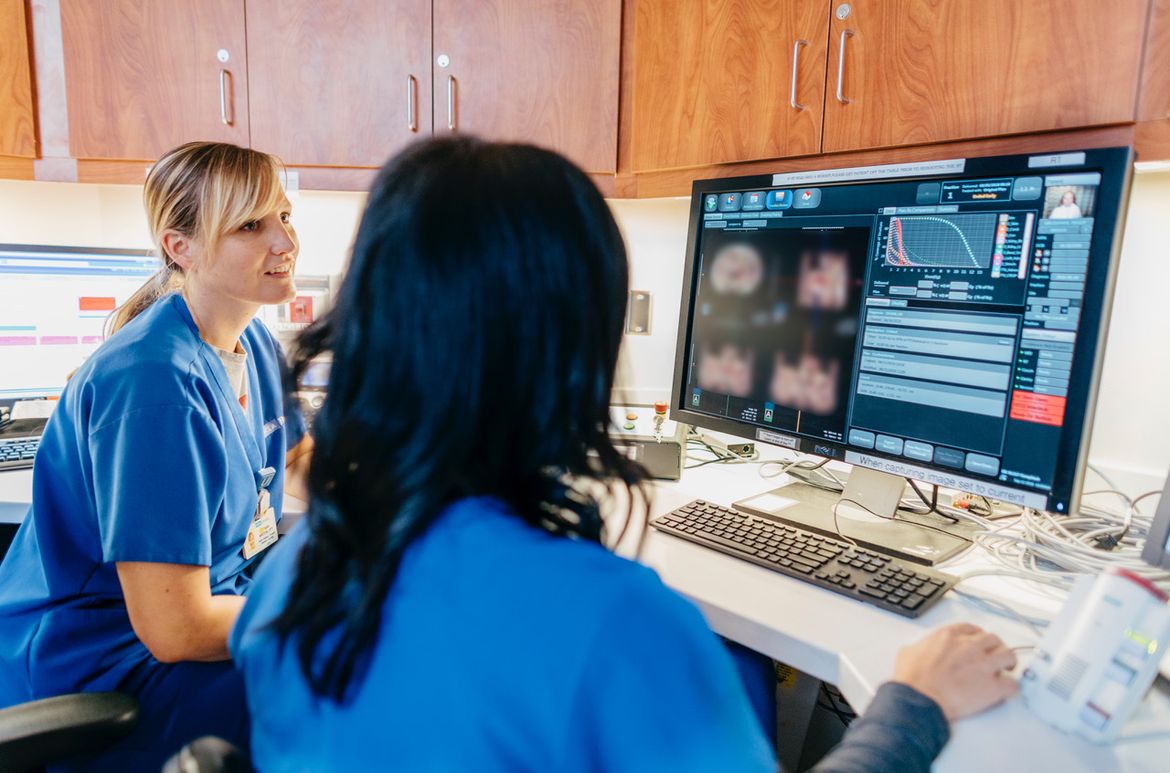
“As our treatments become more technical and expensive, it is our responsibility to prove that these treatments lead to benefits that warrant the increased cost,” said UCLA’s Dr. Ann Raldow, the study's first author.
The foundation, established in 1954 by the founder of Superior Oil, is one of the most prolific funders of scientific, engineering and biomedical research.
UCLA Extension’s Ochan Otim grew up in Uganda, which since its two-decade civil war has seen many people driven to drinking to alleviate their suffering.
City and neighborhood planners should be aware that greater numbers of trees and more park space can support the health of teens and seniors in their communities.
The findings answer questions that have been sought ever since 2005, when two Australian scientists won a Nobel Prize for their discovery of H. pylori and its role in gastric conditions.