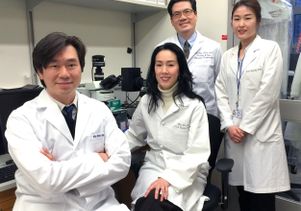
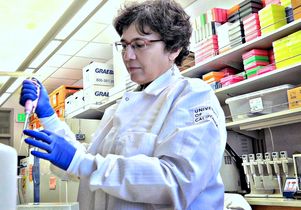
A team of UCLA scientists is testing an experimental drug that could one day result in a treatment for osteoporosis, which affects more than 200 million people worldwide.
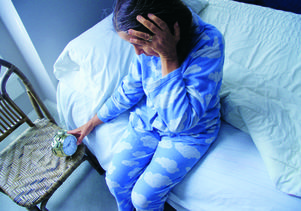
Traveling west to east and the number of time zones crossed seem to increase the severity of jet lag, explains Dr. Alon Avidan, who treats circadian rhythm disorders, among other sleep complaints.
"“Dementia is an isolating disease that can bring on loneliness and is often void of opportunities for social interactions,” says Dr. Zaldy Tan, UCLA gerontologist and director of TimeOut @ UCLA.
The finding represents one of the clearest examples to date of the phenomenon — stretches of DNA that exist for no reason other than promoting their own inheritance — at the molecular level.
A biologically friendly supercapacitor invented by UCLA and University of Connecticut researchers charges using electrolytes from biological fluids like blood serum and urine.
The benefit events have raised more than $10 million over the past five years for UCLA Mattel Children's Hospital and UCLA Children's Discovery and Innovation Institute.
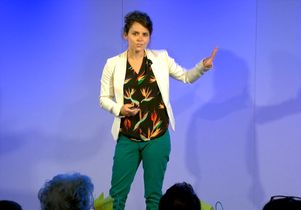
Leslie Rith-Najarian wowed the judges with her three-minute, jargon-free explanation of her research into how to make mental health more engaging and accessible.
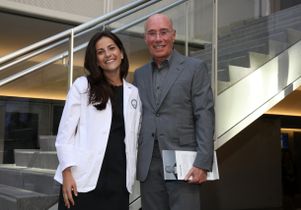
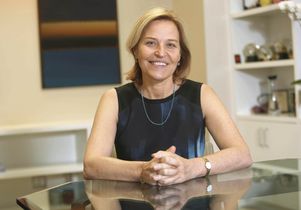
Dr. Kelsey Martin, who recently was elected to the National Academy of Medicine, is the first woman dean of UCLA’s medical school, and she is among only a handful of women leading a medical school in the United States.
The UCLA Stein Eye Institute marked its 50th anniversary and the reopening of the Jules Stein Building, recently renovated to create a state-of-the-art facility to advance UCLA’s work in the field of ophthalmology.
Less than half of individuals with peripheral artery disease, a narrowing of arteries to the limbs, stomach and head, are treated with appropriate medications and lifestyle counseling. These findings highlight the need to improve care.
Nearly half of adults who had been employed before experiencing and surviving acute respiratory distress syndrome were jobless one year after hospital discharge.
Sam Emaminejad, assistant professor of electrical engineering at UCLA, has demonstrated that a wearable biosensor can be used in the diagnosis of cystic fibrosis, diabetes and other diseases.