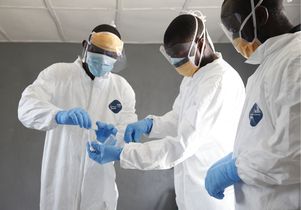
Because the U.N. peacekeepers introduced cholera to Haiti, it’s imperative that the United Nations do whatever it can to prevent the disease from further ravaging the country.
The findings could also help speed research of CTE, helping scientists better understand its prevalence in the population and in studying potential therapies.
Findings from analyzing the body’s biological clock suggest that genetic or environmental factors linked to ethnicity may influence how quickly a person ages.
The research is the first to demonstrate how lifestyle factors directly influence abnormal proteins in people with subtle memory loss who have not yet been diagnosed with dementia.
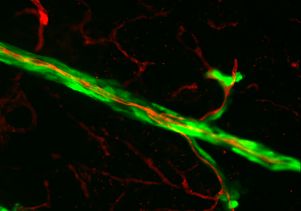
The findings are a major step toward confirming an unusual theory of how some cancer cells metastasize, and the study could lead to new strategies for keeping melanoma from spreading.
Dr. Jeffrey Veale writes that a program pioneered at UCLA could encourage more donations and reduce the number of deaths of those waiting for transplants.
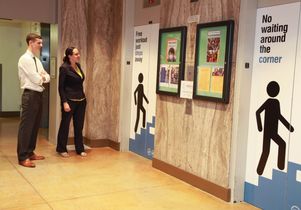
If you spend hours commuting to work and sitting at your desk all day, recent studies about the health hazards of too much sitting probably have hit home.
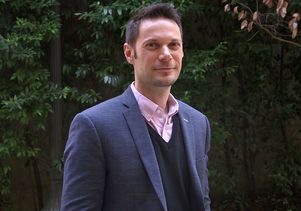
Coates is the founding director for the UCLA Center for World Health, has been named the new director of the University of California Global Health Institute.
UCLA researchers have found that bisphenol S the chemical used to replace BPA in plastics, is just as harmful to the reproductive system and at lower doses.
For decades, the federal government and dentists have recommended flossing daily to prevent cavities and gum disease. Now the evidence for flossing appears to be hanging by a string.
UCLA and Inter-American Development Bank study finds progress toward universal health coverage, but persistent gaps in how citizens assess the quality and effectiveness of primary care.
A team of scientists including researchers from UCLA has developed an RNA sequencing technique that could advance scientists’ use of stem cells in regenerative medicine.
UCLA researchers found that physical activity particularly affected the size of the hippocampus, which is the part of the brain controlling short-term memory.
UCLA placed highly in 15 of the 16 specialties evaluated by U.S. News and World Report. Only 3 percent of all hospitals were ranked nationally in even one specialty.
Saving a life was the last thing Dr. Stephanie Brenman, a fourth-year emergency medicine resident, expected to do as she rode on the last leg of a seven-day charity bike event.