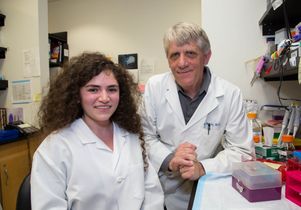
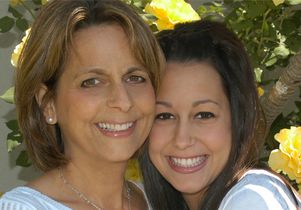
Headed for a career in medicine, Megan Cory turned her own diagnosis of type 1 diabetes into an opportunity to do research, raise funds and help inform the public about ways to prevent diabetes.
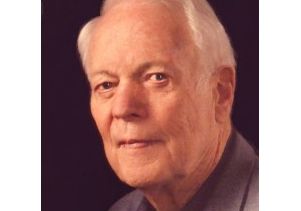
Dr. John L. Fahey, an emeritus professor in UCLA's departments of microbiology, immunology, and molecular genetics and of medicine, and a key member of the UCLA AIDS Institute, died on Aug. 19, 2014.
“In short, if you think a pill is going to work, it probably will,” says UCLA professor who led the study, which evaluated patients who received therapy and either real medication or a sugar pill.
Buffets of highly processed foods like sugar and flour are as tempting to rats as they are to humans and eating lots of this food weakens cues to stop eating when full.
Researchers at the UCLA School of Nursing have found that people suffering from sleep apnea have weaker brain blood flow that can lead to brain damage.
Approval of Keytruda signals a paradigm shift in the way advanced melanoma is treated. The drug was tested on more than 600 patients in the U.S., Europe and Australia.
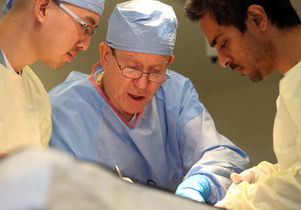
In UCLA's Surgical Science Laboratory, surgical residents refine their skills with dissection while the trend at other medical schools is leading away from this practice.
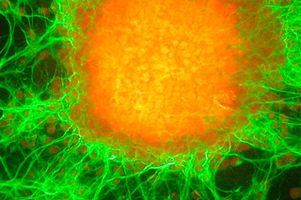
Dr. Denis Evseenko’s bold vision of translational science is already blazing new trails in research of regenerative stem cells and their relationship to cancer at the Jonsson Comprehensive Cancer Center and the Broad Center for Stem Cell Research at UCLA.
Six proposals led primarily by UCLA units are vying with 261 others for grant funding by the Goldhirsh Foundation, which is hoping to jump-start projects that will make L.A. the best place to play, to connect, to live, create and learn by 2050.
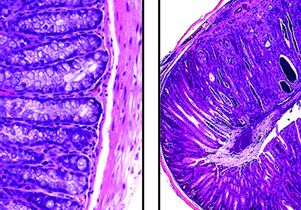
The interplay of several genetic factors may be involved in the development of the disease, a severe chronic inflammatory condition of the bowel, which affects infants and young children.
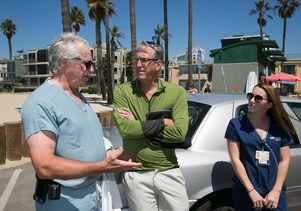
An off-duty lifeguard was rescued after being struck by a bolt of lightning at Venice Beach. He recently reunited with his rescuers, including staff from Ronald Reagan UCLA Medical Center.
UCLA study shows that offering cancer screenings, referrals and vaccinations in nontraditional locations increases the use of preventive services by underserved, older adults.
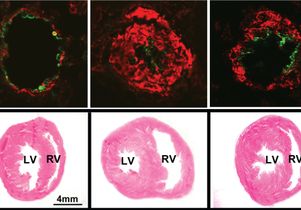
A UCLA study finds that oxidized lipids, known for their role in inflaming blood vessels and hardening arteries in diseases like atherosclerosis, may also play a role in pulmonary hypertension, a serious lung disease.
UCLA social scientists found that walking in sync may make men feel more formidable against a potential foe, and they suggest that doing so could play a role in excessive use of force by police.
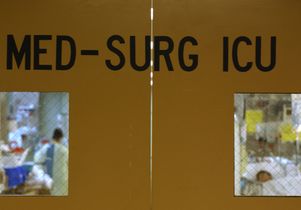
Providing futile treatment to a patient in intensive care can set off a chain reaction that causes other ill patients needing medical attention to wait for critical care beds, according to a study by UCLA and RAND Health.
UCLA scientists report that sixth-graders who went just five days without glancing at a smartphone, television or other screen did substantially better at reading emotions than counterparts who used electronic devices.
The researchers' findings could lead to cancer treatments that are more effective with smaller doses and to therapies that could potentially eradicate the HIV virus.
Efforts to hit Gov. Brown’s water reduction target could have unintended, and potentially harmful, consequences for the health of Californians and their communities.
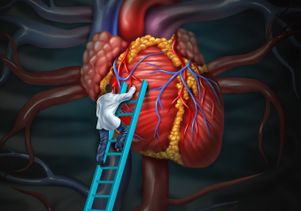
Forty years ago, it was unthinkable to live a life with an artificial heart, with someone else’s transplanted heart or with an assist-heart pump. Today, the technological advances of modern medicine make this possible. But how does that change a human being?
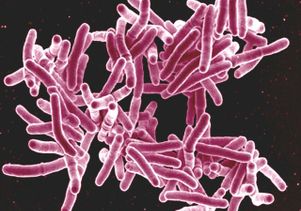
A UCLA-led study has identified a protein that appears to play a key role in protecting people infected with the bacteria that causes tuberculosis from developing the active form of the disease.
UCLA-led research finds that a variant of an existing vaccine offers stronger protection against both diseases and with the addition of a particular protein, further boosts protection against leprosy.
Inspired by her memories of her daughter, Paulinda Babbini created a nonprofit to raise money to fund the work of a UCLA scientist who focuses on gynecological cancers.