Nation, World + Society

More Stories

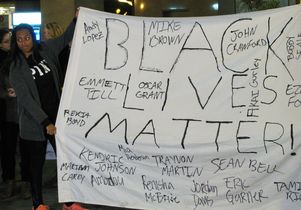
UCLA faculty voice: I, too, am America

Professor Alain Mabanckou writes that the recent police killings of Michael Brown and Eric Garner show that much work remains to create an America worthy of the vision of African American artists and leaders of generations ago.

UCLA faculty voice: The morality of murder

Anthropology professor Alan Page Fiske writes in an op-ed that the ‘Charlie Hebdo’ attackers, like so many people who use violence, probably thought they were acting righteously.

Top UCLA stories of 2014: A year in images

The year 2014 featured the debut of a multi-year fundraising campaign, research breakthroughs, stunning achievements by students and faculty — and an unexpected flood that impacted the campus for months. We call that a momentous year.

Los Angeles needs to step up its charitable giving

UCLA’s Bill Parent, director of the Center for Civil Society at the Luskin School of Public Affairs, writes that L.A.-area residents’ stinginess jeopardizes society’s safety net, which depends significantly on private donations.

Alum reflects on his historic struggle to attend all-white high school

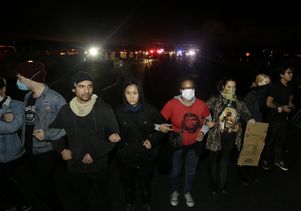
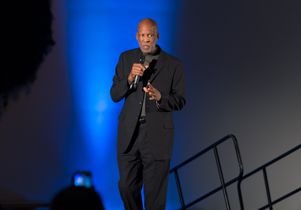
Terrence Roberts, who earned an M.A. degree from UCLA and served as assistant dean of the then-School of Social Welfare, returned to campus to talk about his historic role in integrating a high school in Little Rock, Arkansas and the current protests over the deaths of African Americans at the hands of police.

A new definition of groundbreaking architecture

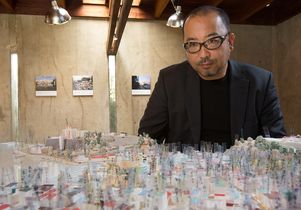
UCLA’s Hitoshi Abe is among those whose work is featured in an exhibit detailing nontraditional ways architects have helped rebuild the coast of Eastern Japan following the devastating tsunami of 2011.

UCLA faculty voice: The fate of the war in Syria

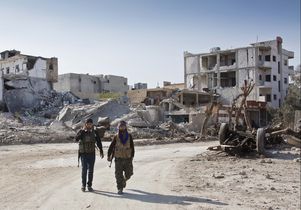
History professor James Gelvin writes that the chances for negotiating a settlement in Syria might increase if the different players stopped examining the conflict in isolation.

Life in America: Hazardous to immigrants’ health?

Faculty at the UCLA Fielding School of Public Health are working to determine why immigrants in the United States become unhealthier the longer they live in the country and promote solutions.

Q&A: David Gere and the fight to end AIDS

For more than 20 years, professor David Gere of the Department of World Arts and Cultures has been using art and a network of artists to communicate his message about ending the AIDS epidemic around the world. Are we any closer to making that happen?
View More