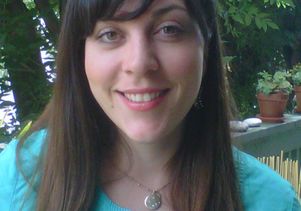
UCLA life scientist Amy Rowat's tasty springtime demonstrations seek to advance the public's understanding of science through food, and food through science.
Those who reported the greatest support also had the smallest increases in a pregnancy-related stress hormone that has been associated with depression after birth.
The research by UCLA's David Cline and Xiaoping Ding represents a significant breakthrough and has implications for using fusion as a new energy source in the U.S.
By "grabbing" these cells, doctors can perform a "liquid" biopsy, allowing for earlier detection and better monitoring of cancer progression and treatment.
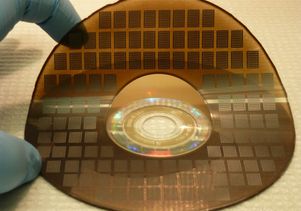
The groundbreaking method uses a DVD burner to fabricate the graphene-based devices, which can charge and discharge up to a thousand times faster than standard batteries.
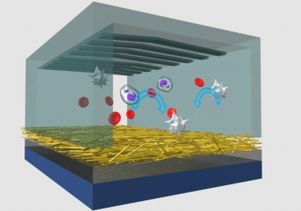
Dying cells and cancer cells exhibited a previously unknown communication method, influencing the function of healthy cells that were in an isolated, enclosed chamber.
A gene thought to express the so-called heat shock protein αB-Crystallin in all cells that experience stress instead expresses it only in certain cell types, researchers say.
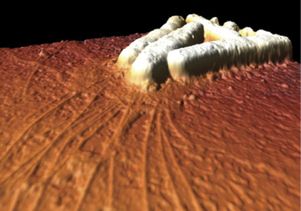
When it comes to motility, Myxococcus bacteria have more in common with tectonic plates -- and trains and a host of other things -- than you might expect, researchers say.
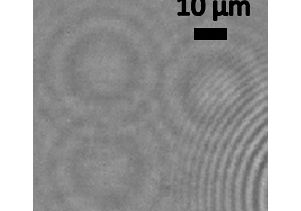
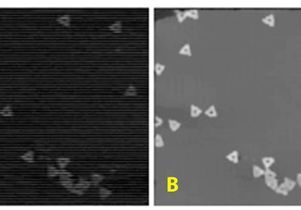
The portable, cost-effective platform, which can produce images of single nanoparticles over large sample areas, could be useful in fighting diseases in areas where medical resources are limited.
UCLA's FAME center, a multi-university partnership, aims to develop unique nanomaterials and structures that will help make semiconductors far more powerful and energy-efficient.
The team's multidisciplinary research efforts will reshape and improve how images and large data sets are collected and analyzed in science, engineering, medicine and other fields.
The ruling has affirmed UCLA's commitment to fair business practices and the speedy commercialization of university technologies for the benefit of the public.
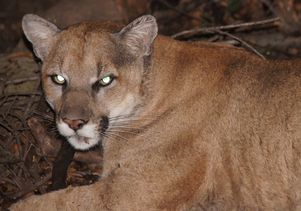
UCLA researchers test blood and saliva samples, compare bite marks and use claw swabs and traces of fur to track the family tree and the animals’ behavior.