The vast majority of policy-covered UCLA staff members who responded to a systemwide staff survey last spring feel they have a clear understanding of how their jobs contribute to their department’s goals, feel proud to be associated with UCLA and UC, and believe their supervisors treat them with respect.
These are some of the results gleaned from the 2015 UC Staff Engagement Survey that was sponsored by UC Office of the President and the Council of University of California Staff Assemblies and given to approximately 20,000 randomly chosen, policy-covered staff throughout the UC system. UC health system employees, surveyed separately, were not included in the survey conducted by Towers-Watson.
UCLA Campus Human Resources has shared survey highlights with human resource managers in departments across the campus and is comparing the latest results with a similar survey taken two years ago to gauge staff engagement. The UCLA responses from approximately 1,600 employees are also being compared to responses from UC-wide staff and from employees at outside universities and non-educational industries in the Towers-Watson sample. While the response rate for UC employees overall was 46 percent, the response rate for UCLA staff was also high, at 40 percent.
From this comprehensive analysis of the data, CHR is identifying what work-related categories showed improvement, where there’s room for improvement and what areas offer the biggest opportunities for improvement.
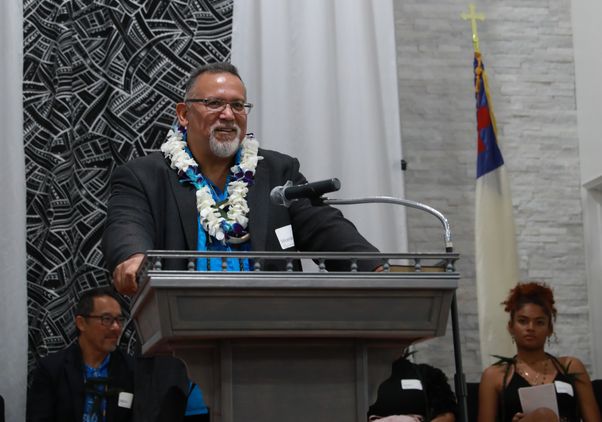
“This offers us excellent information and gives us more guidance about the issues that UCLA employees care about,” said Associate Vice Chancellor Lubbe Levin at a presentation co-hosted by Staff Assembly and CHR at the James West Alumni Center on Nov. 13. “And that’s really important to all of us.”
The next steps will be to hold focus groups to help clarify questions raised by the survey results and to hear from staff members who want to give feedback, including those who may not have been part of the randomly selected respondent pool. Gathering information from employees and departments will help in developing action plans to address key areas for improvement, Levin said. The Council of UC Staff Assemblies will be sharing perspectives with UC President Janet Napolitano later in 2016.
The survey asked staff whether they agreed or disagreed, according to a scale of favorability, with 37 wide-ranging statements about their work. For example, staff members were asked if they felt favorably or not about the statements, “My supervisor communicates effectively” and “I feel motivated to go beyond my formal job responsibilities to get the job done.”
The statements that received the most positive responses at UCLA in 2015 were:
- 89 percent of the UCLA respondents agreed with the statement, “I have a clear understanding of how my job contributes to the department’s objectives”;
- 88 percent noted they were proud to be associated with the UC system;
- 84 percent agreed with “My supervisor treats me with respect”;
- 83 percent agreed that their work schedules allow sufficient flexibility to meet their personal/family needs.
- And 82 percent felt motivated to go beyond their formal job responsibilities to get the job done.
The survey also identified some areas where improvement can be made.
Among the statements getting the least favorable responses:
- 28 percent agreed with the statement, “I feel my campus location does a good job matching pay to performance”;
- 34 percent agreed that UCLA is doing a good job of planning for management succession;
- Between 36- 41 percent agreed that recent major organizational changes across the UC system have been planned, executed and explained well.
- 48 percent felt their supervisor effectively deals with poor performers;
- And 52 percent felt there is usually sufficient staff in their department to handle the workload.
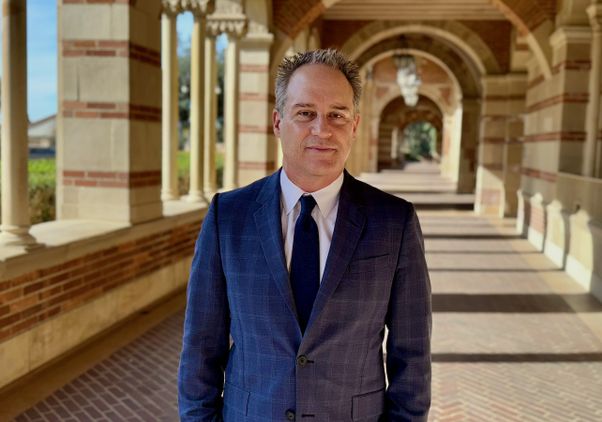
“These are the areas where staff would like to see some improvement,” said Rejeana Mathis, Campus Human Resources manager for management development programs at UCLA, who summarized the survey results at the presentation.
Is staff's work life better or worse looking back three years?
When the latest survey results were compared to those from the 2012 UCLA survey, Mathis said, “The vast majority of responses in 2015 showed improvement.” Scores were better for 23 of the 37 statements listed. And a majority of respondents gave favorable responses in all areas, but one — organizational change.
For example, more staff (ranging from 66 to 72 percent) gave their supervisors high marks for communicating effectively, being open to communicating with staff and giving regular feedback.
In two areas, improvement was especially notable. More staff (73 percent) felt UCLA is held in high regard by its employees. And more staff (72 percent) felt that working for the UC system inspires them to do their best work. The same percentage responded favorably to “My supervisor communicates effectively.”
However, opinions dipped significantly on three statements: “I feel my personal contributions are recognized” (56 percent agreed); “My campus does an excellent job of keeping employees informed about important organizational matters affecting us” (69 percent agreed); and “Generally, major organizational changes across the UC system have been explained well” (41 percent agreed).
Campus responses more favorable in comparison
In comparing UCLA responses with UC scores overall, Mathis said, UCLA staff responded more favorably in most areas than did staff at all UC locations combined. In comparing UCLA scores with those of other higher ed institutions — for example, Loyola, the University of Miami and Yale — “We actually look a lot like the other universities,” Mathis said. In fact, in this comparison, more UCLA staff felt strongly that the campus provides staff with the information and resources to manage their careers effectively.
Mathis said CHR hopes to learn more from focus groups that will be formed to drill down into key questions. One question, for example, asked, “At the present time, are you seriously considering leaving the UC system?” While 59 percent said no, 22 percent said yes, and 19 percent said maybe. There’s no way, she said, to determine whether those 22 percent or the 19 percent were thinking about retiring as opposed to quitting for other reasons.
But on the other hand, Mathis said, it’s important to remember that 81 percent responded favorably to the statement, “I would recommend the UC system as a good place to work.”And a large majority felt positively that UCLA is highly regarded by its employees.