UCLA Luskin researchers asked former foster youth and youth in the juvenile justice system to use photos to capture the difficulties of transitioning to independent adulthood.
Report by the Climate Change and Business Research Initiative at the UCLA and UC Berkeley law schools suggests that used electric vehicle batteries may be a promising solution to California's search for cheap energy storage.
Despite interest from public health researchers and new understanding of statewide policies, little had been known about how access to marijuana through dispensaries influences use on a city-by-city basis.
To speed up the opening of new transportation projects, California should streamline its environmental review and approval process, writes law professor Ethan Elkind.
UCLA public policy alumna Snejana Daily spent a year traveling the world to tell the stories of people facing challenges across the globe in a 10-part series currently airing on the Oprah Winfrey Network. Her commitment to nonprofit work was strengthened after she suffered the loss of her husband in Iraq.
Accepting students eligible for federal Deferred Action for Childhood Arrivals program could help address the nation's shortage of primary care physicians, UCLA researchers say.
A study co-authored by a UCLA public policy professor found some positive effects in Rhode Island after the state accidentally made prostitution legal for seven years.
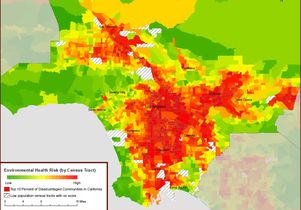
Nearly 4 in 10 Los Angeles County residents live in environmentally vulnerable communities burdened by air pollution and other risk factors, according to a study by the UCLA Luskin Center for Innovation and The Environmental Defense Fund.
Law professor Jill Horwitz co-authors an op-ed criticizing the D.C. circuit court for acting a tool in the relentless search for legal flaws to tear down the landmark health care law.
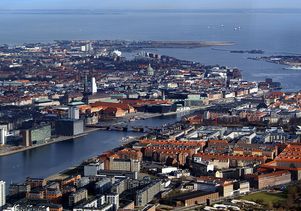
Similarly to countries like Denmark and Sweden, American cities and towns have been spending more on programs for the poor and the middle class, funded by higher taxes on these groups.
From 2005 to 2007, roughly 20 percent of people who committed suicide were intoxicated at death, but that percentage was notably higher during and after the recession, according to a study led by UCLA professor Mark Kaplan.
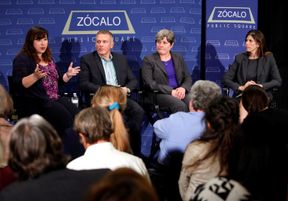
In an event co-sponsored by UCLA and Zocalo Public Square, Luskin School of Public Affairs Dean Franklin D. Gilliam, Jr. and others disagree on Mayor Garcetti’s first year in office.
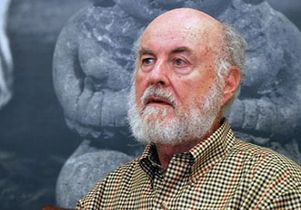
UCLA's national parking expert, Donald Shoup, says that when a city temporarily suspends parking meters it often backfires for the businesses it was meant to help.
Mentally ill mass murderers receive tons of media attention, but they're not the typical perpetrators of violent crimes, say researchers. The team recommends a new risk-based approach to reducing firearms fatalities.
Ivo Welch is a professor of finance and economics at the Anderson Graduate School of Management at UCLA. His op-ed ran June 6 in the Los Angeles Times.
A small group of law students from UCLA has helped community advocates add their voice to the debate over who should oversee the investigation of inmate abuse and monitor what's going on in L.A. county jails.
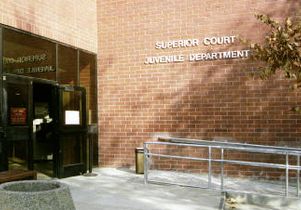
First-time violent juvenile offenders sentenced to probation camps are more than twice as likely to be involved in future criminal behavior than youths sentenced to in-home probation.
The findings of a study by the UCLA Center for Health Policy Research contradict the perception that undocumented immigrants will overburden U.S. emergency departments and health providers.
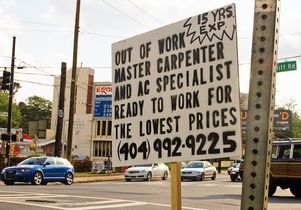
Job loss among single mothers has significant negative effects on the well-being of their children as young adults, according to a new study by researchers at the California Center for Population Research at UCLA.
It’s still early to evaluate all the impacts of the Affordable Care Act on Los Angeles and its immigrants, but public perception of and conversation about the law are driving huge changes in Southern California and throughout the country.
Why are so many Americans in prison? Between 1975 and 2007, the American incarceration rate increased nearly fivefold, a historic increase that puts the United States in a league of its own among advanced economies.